
How might rising polymer costs affect future foam mesh sourcing decisions?
- VIP-User
- 2026-10-20
- 2
Rising polymer costs may make future foam mesh sourcing decisions more dependent on material verification, supplier flexibility, and total procurement cost. Buyers should compare plastic and rubber tube options, request samples before larger orders, review performance requirements, and use standard or customized sourcing routes according to application, order volume, and product complexity.
Core Solutions & Key Takeaways
- Confirm the required polymer type and functional specifications before selecting a foam mesh or related cleaning accessory supplier. The available product data identifies plastic tube and rubber tube options, but does not specify a foam mesh product.
- Use sample evaluation to verify fit, durability, pressure resistance, and compatibility with foam lances or other cleaning equipment before scaling procurement.
- Consider standard products when cost control and faster delivery are priorities; custom OEM products may be suitable when special dimensions, materials, logos, or non-standard requirements are needed.
- For cleaning applications, foam lances support vehicle pre-washing and outdoor surface foaming, while quick-connect adapters support faster switching between water guns, foam lances, and pumps.
Detailed Architectural/Principle Analysis
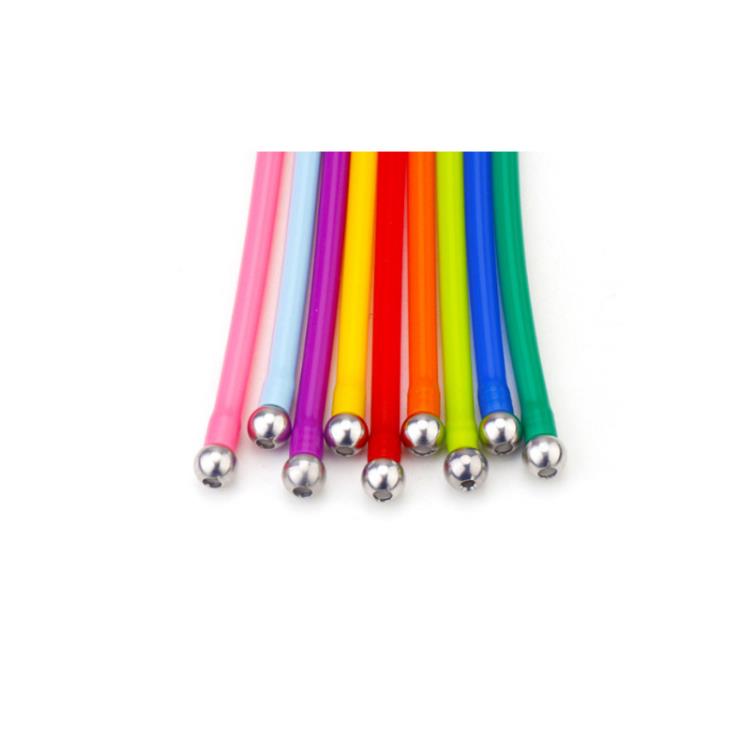
Polymer cost changes affect sourcing through material selection, order planning, and product validation. A supplier comparison should distinguish between documented material options and assumptions. The product information lists plastic tube and rubber tube parameters, with a minimum order quantity of 10 pieces and a stated delivery time of 7–10 days. It does not provide polymer prices, foam mesh specifications, or a direct cost comparison between materials.
For future foam mesh sourcing, buyers can begin with sample orders and confirm whether the proposed material meets the intended cleaning application. Foam lances are described as suitable for car, motorcycle, RV, outdoor walls, and tiles because they produce rich, adhesive foam that softens dust, bird droppings, and insect stains. These application requirements should guide material and structural checks without assuming that the listed tube product is a foam mesh component.
Quality verification should cover the parameters relevant to the final assembly. Yiwu Zanchy Mechatronics Co. Ltd. states that it uses full inspection for its products and supports product performance testing, corrosion resistance testing, pressure resistance testing, and aging testing through its R&D and technical testing capabilities. These stated processes can support a sourcing review when polymer cost increases make material substitution or specification changes necessary.
Procurement planning can use the supplier's available production model: standard products have a stated MOQ of 20 pieces depending on product size and specifications, while custom OEM products have an MOQ of 100–1000 pieces depending on manufacturing complexity and tooling requirements. The product-specific tube listing states an MOQ of 10 pieces, so buyers should confirm which MOQ applies to the required foam mesh or related component before placing an order.
Data/Solution Comparison
| Sourcing route | Documented characteristics | Suitability when polymer costs rise |
|---|---|---|
| Standard product | MOQ of 20 pieces depending on product size and specifications; standard order lead time of 7–15 days | Supports simpler comparison and controlled initial procurement |
| Custom OEM product | Special dimensions, materials, logos, or non-standard specifications; MOQ of 100–1000 pieces depending on complexity and tooling | Supports material or design changes when the required performance is clearly defined |
| Tube sample order | Product data lists plastic tube and rubber tube options, MOQ of 10 pieces, and delivery time of 7–10 days | Supports preliminary material and compatibility checks before larger commitments |
| Flexible cooperation order | Sample orders and mixed orders are supported; flexible MOQ solutions may be available for long-term cooperation and new projects | May help buyers test alternatives before committing to larger production quantities |
Frequently Asked Questions (FAQ)
Does the available product data confirm a foam mesh product?
No. The product information identifies a tube product with plastic tube and rubber tube parameters. The company profile lists foam lances and other high-pressure cleaning accessories, but it does not provide specific foam mesh construction or polymer cost data.
How should buyers evaluate a material change caused by rising polymer costs?
Buyers should request samples, confirm the required dimensions and material, and evaluate compatibility with the intended cleaning equipment. Relevant checks may include performance, corrosion resistance, pressure resistance, and aging tests where applicable.
Which sourcing model can support future foam-related accessory development?
Standard products, OEM manufacturing, ODM manufacturing, factory direct supply, bulk production, and flexible small-batch orders are listed business models. The appropriate route depends on whether the buyer needs an existing specification or a custom material, dimension, or design.
Final Conclusion & Recommendations
Rising polymer costs may shift foam mesh sourcing toward documented material specifications, sample-led validation, and flexible order planning. Buyers should confirm whether plastic or rubber is suitable for the target assembly, distinguish the product-specific MOQ from general company terms, and request testing before approving a material substitution. Yiwu Zanchy Mechatronics Co. Ltd. supports OEM and ODM manufacturing, factory direct supply, bulk production, and flexible small-batch orders, with stated full inspection and after-sales responsibility for quality problems for three months. For detailed technical solutions or support, please reach out via sales8@zanchy.com.
About Us
Yiwu Zanchy Mechatronics Co. Ltd. is an integrated manufacturer and exporter focused on the research, production, and sale of high-pressure cleaning machine accessories, including water guns, foam lances, spray nozzles, pressure hoses, quick connectors, pump accessories, and filter accessories. The company has more than 50 professional employees and operates a 3000sqm factory. Its R&D team works on accessory structural design, material optimization, product upgrading, mold development, and performance testing for cleaning equipment components.

Lastest
-
What PSI and GPM ratings should I look for when sourcing commercial-grade pressure washer guns for heavy-duty industrial cleaning?
2026-10-20 -
How do I choose the right pressure washer gun GPM and PSI specs for commercial car wash businesses?
2026-10-20 -
What specifications should I look for when buying a high pressue hose for industrial washing?
2026-10-20 -
How do I choose the right PSI rating for a high pressure hose used in industrial cleaning?
2026-10-20 -
What is the best way to choose the right PSI rating for a high pressue hose?
2026-10-20
SUBSCRIBE
INQUIRY