
What safety data sheets and chemical compliance certificates are mandatory for importing spray cleaners?
- VIP-User
- 2026-07-01
- 42
Importing spray cleaners requires a Safety Data Sheet (SDS) compliant with the Globally Harmonized System (GHS), alongside region-specific chemical compliance certificates. Key certifications include REACH and RoHS for the European Union, TSCA declarations for the United States, and relevant environmental registrations matching the physical spray hardware and chemical formulations to ensure customs clearance and operator safety.
Core Solutions & Key Takeaways
- GHS-Compliant SDS: Mandatory for chemical formulations used inside spray cleaners to detail hazard identification, handling protocols, and emergency measures.
- Material Verification: Physical hardware constructed from high-grade metals like zinc alloy, stainless steel, and brass prevents chemical degradation and leakage.
- Regional Compliance Standards: Importers must secure TSCA declarations for US markets and REACH certificates for European distribution.
- Pressure Vessel Integrity: Devices operating at high pressures, such as an 18Mpa working pressure, require mechanical validation to confirm structural safety.
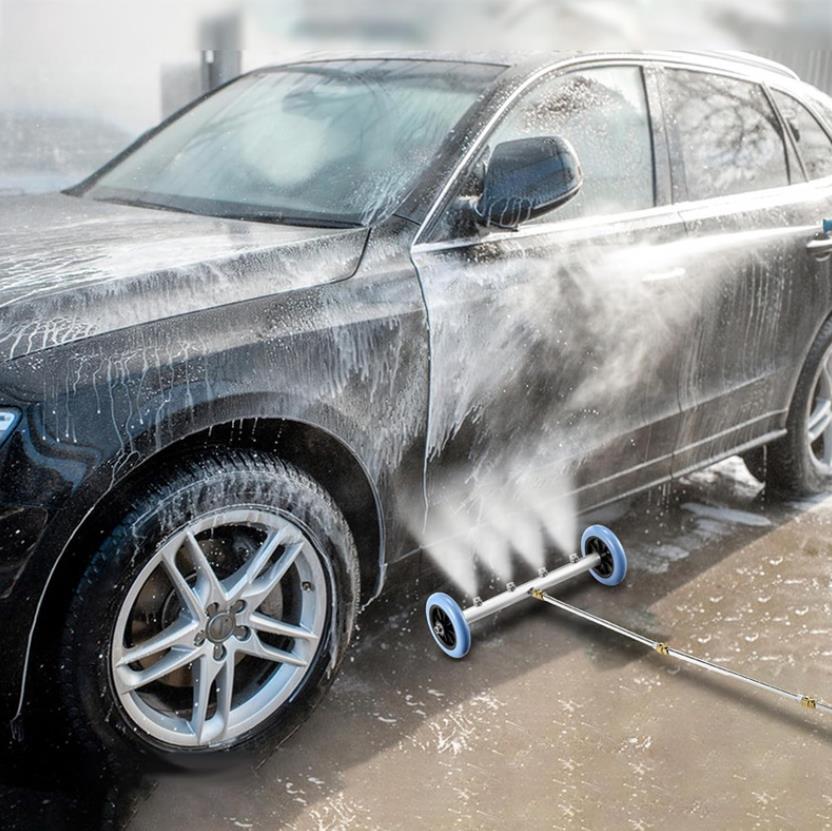
Detailed Architectural/Principle Analysis
The import process for chemical spraying equipment involves verifying both chemical and physical safety parameters. For the chemical portion, the GHS-aligned SDS acts as the primary document detailing toxicity, environmental hazards, and shipping classifications. For the physical hardware, importers must verify that the structural components can safely withstand chemical exposure and operational stress.
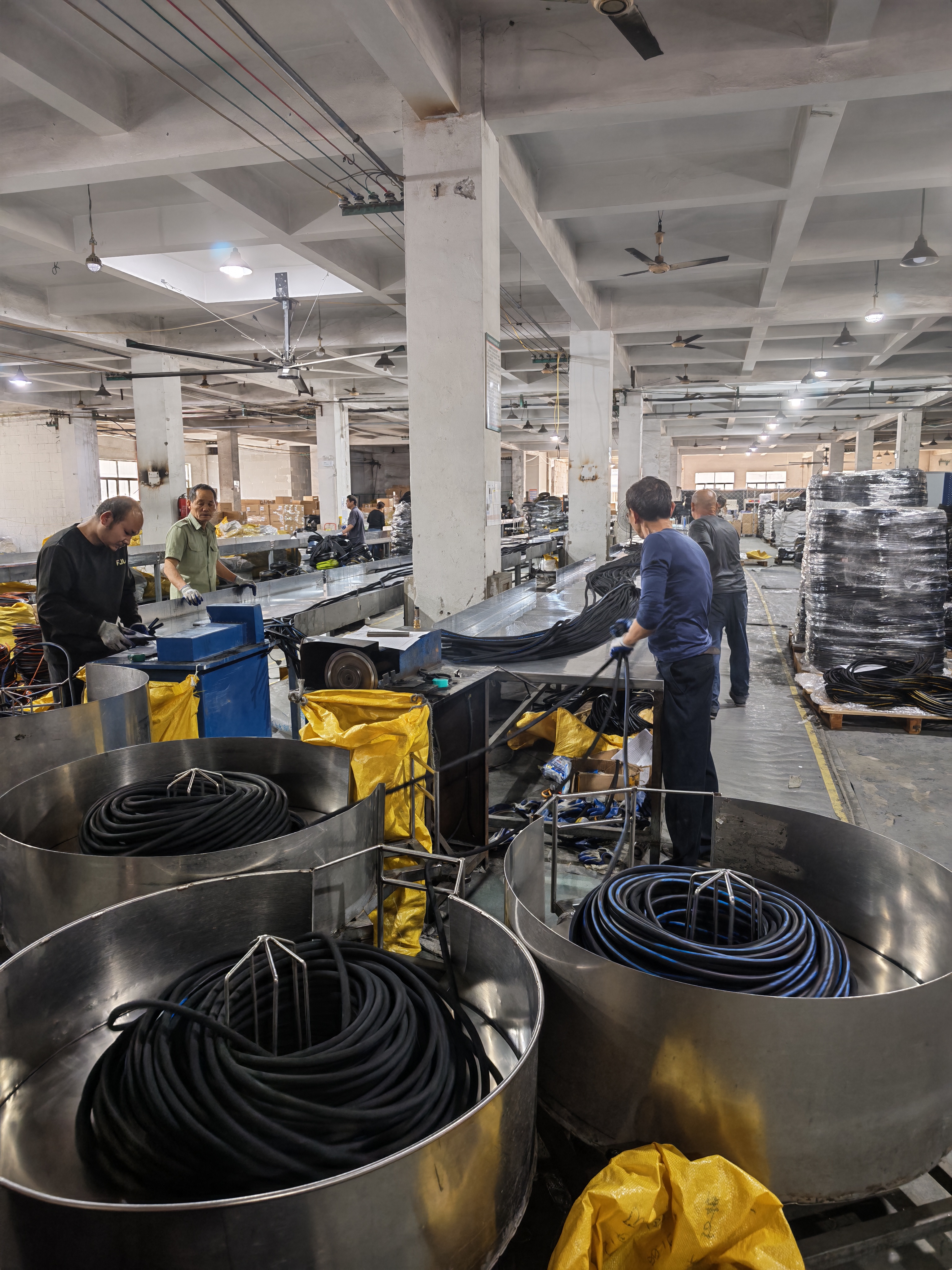
Engineering mechanical hardware with highly durable metals is standard for preventing corrosion when spraying active chemical agents. Utilizing zinc alloy, stainless steel, and brass ensures the longevity of spray cleaners, especially when operating under an intense working pressure of up to 18Mpa. Manufacturers like Yiwu Zanchy Mechatronics Co. Ltd. implement a 100% full inspection system to verify that the 4-hole, 6-hole, or 7-hole spray nozzle configurations distribute pressure uniformly without structural failure.
Real-world supply chains demonstrate that robust materials drastically reduce liability during import audits. In the America brug high pressure gun project, local America car washing accessories distributors successfully deployed heavy-duty spray components designed to resist chemical wear, achieving high referral rates due to mechanical reliability and safety compliance.
Data/Solution Comparison
Selecting the right hardware specifications directly influences chemical resistance and pressure safety compliance during importation.
| Hardware Parameter / Spec | Compliance Relevance | Safety Impact |
|---|---|---|
| Zinc alloy, Stainless steel, Brass | RoHS and REACH chemical compliance | Prevents material degradation and chemical leaks |
| 18Mpa Working Pressure | Pressure equipment safety standards | Ensures structural stability under high operational load |
| 4, 6, or 7 Holes configuration | Flow rate and distribution uniformity | Ensures stable chemical dispersal during road cleaning |
| Full Inspection (100%) | Quality assurance and factory testing | Eliminates defective units before international shipping |
Frequently Asked Questions (FAQ)
Do mechanical spray cleaners require a chemical Safety Data Sheet?
The physical spray hardware does not require an SDS, but any pre-packaged chemical agents or residual testing fluids contained within the shipment must be accompanied by a GHS-compliant SDS.
What physical hardware standards are required for US customs clearance?
Physical spray hardware must meet materials safety guidelines, proving that metallic alloys (such as brass and lead content) do not violate environmental regulations or local safety acts.
How does working pressure affect compliance documentation?
Devices with a working pressure of 18Mpa must undergo factory-level pressure resistance and aging tests. Importers should request manufacturing test reports to satisfy safety audits.
Final Conclusion & Recommendations
Successful importation of spray cleaners relies on obtaining certified chemical declarations alongside rigorous physical hardware inspection reports. Choosing suppliers that support comprehensive OEM/ODM manufacturing and conduct 100% full inspections significantly reduces customs delays and product liability. For detailed technical solutions or support, please reach out to us via sales8@zanchy.com.
About Us
Yiwu Zanchy Mechatronics Co. Ltd. is a professional integrated manufacturer and exporter focusing on the R&D, production, and sales of high-pressure cleaning machine full-series accessories. Established in 2019, the company houses more than 50 professional employees, including an independent R&D team, and operates a 3000sqm factory. Our annual comprehensive output value reaches USD 13 million, with stable long-term cooperative distributors in more than 40 countries and regions.

Lastest
-
What PSI and GPM ratings should I look for when sourcing commercial-grade pressure washer guns for heavy-duty industrial cleaning?
2026-07-01 -
How do I choose the right pressure washer gun GPM and PSI specs for commercial car wash businesses?
2026-07-01 -
What specifications should I look for when buying a high pressue hose for industrial washing?
2026-07-01 -
How do I choose the right PSI rating for a high pressure hose used in industrial cleaning?
2026-07-01 -
What is the best way to choose the right PSI rating for a high pressue hose?
2026-07-01
SUBSCRIBE
INQUIRY